
Key Takeaways
- Immediate action after water damage significantly reduces long-term structural and financial consequences.
- Mold can begin developing within 24–48 hours, making rapid drying and dehumidification essential.
- Delays may complicate insurance claims and increase out-of-pocket expenses.
- Quick professional intervention helps preserve personal belongings and prevent irreversible loss.
- Addressing water damage promptly protects both physical health and electrical safety.
- Early restoration efforts are far more cost-effective than extensive repairs caused by neglect.
Understanding the Urgency of Water Damage
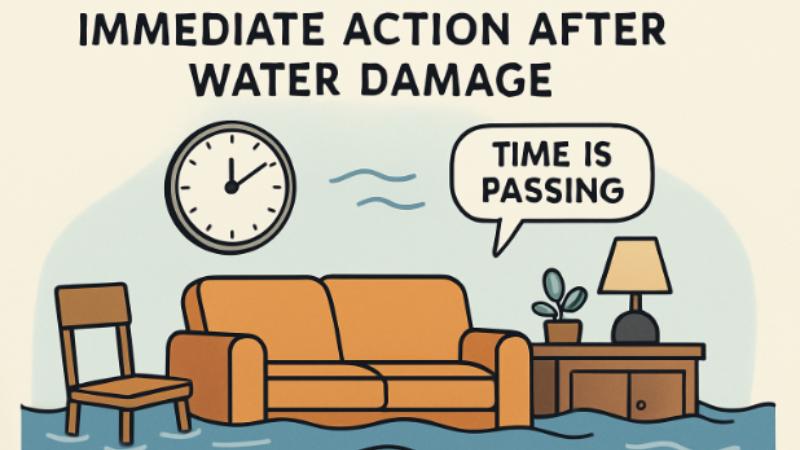
Water damage can happen at any time, often taking property owners by surprise. Whether the cause is a flooded basement, a burst pipe, or a malfunctioning appliance, the effects can be overwhelming and severe. The critical factor in minimizing destruction lies in swift action. Right after water intrusion, every minute counts. The longer you wait, the greater the chance that problems will escalate and potentially cause irreparable harm. Property owners facing water damage should immediately reach out to professionals, such as Frontier Restoration, for prompt, effective service to help prevent costly and hazardous outcomes.
A quick response is essential for both homeowners and businesses, as even a seemingly minor leak can become a substantial issue if left untreated. Standing water and excess moisture not only threaten the physical structure of a building but also create potential health hazards. Moisture can quickly seep into floors, walls, and furnishings, making early intervention more than just a convenience: it is a necessity.
In many instances, insurance companies may also assess how quickly action was taken when processing claims. Delays often complicate the claims process and can even result in claim denials or reductions in coverage. This is yet another reason being proactive is crucial for protecting your investment and ensuring a faster, smoother recovery.
The immediate aftermath of water damage poses a host of risks that can spiral out of control without prompt, knowledgeable intervention. By acting quickly, you reduce the likelihood of long-term, severe consequences that not only affect property value but also personal well-being and comfort.
Preventing Mold and Mildew Growth
Mold is one of the most imminent threats after a water intrusion event. According to the Environmental Protection Agency, mold can begin growing within 24 to 48 hours of exposure to moisture. It releases spores that can infect HVAC systems, furniture, and personal belongings. Not only is mold difficult and costly to remove, but it also poses health risks, including allergies, respiratory problems, and even more severe conditions for those with compromised immune systems. Dehumidifying and drying an area promptly limits mold’s ability to colonize and spread.
Protecting Structural Integrity
Water can compromise foundational elements like wood, drywall, plaster, and concrete. When these materials absorb excess moisture, they can soften, warp, swell, or even rot, resulting in weakened walls, floors, or ceilings. Over time, neglected water damage can threaten the foundation’s stability, leading to structural shifts, cracked walls, and sagging floors. In extreme cases, extensive demolition and reconstruction may be needed to address the issues, which can significantly increase costs and insurance premiums.
Safeguarding Personal Belongings
Electronics, family heirlooms, photographs, important documents, and furniture are among the many possessions at risk when water damage occurs. Immediate removal of excess water and careful restoration efforts are vital to preserving these items. Salvaging valuables often depends on addressing the problem before mold sets in or materials degrade beyond repair. By utilizing proven restoration techniques tailored to a variety of items, professionals can often save what would otherwise be lost.
Mitigating Health Risks
Health is always a top concern after water intrusion, especially in environments where people may be vulnerable, such as schools, medical facilities, or senior housing. Contaminated water may carry bacteria, viruses, or toxic chemicals, while even clean water can enable harmful mold growth. High humidity and dampness can exacerbate asthma or allergy symptoms. Prompt action is required to remove hazardous materials, sanitize surfaces, and restore a healthy environment for everyone involved.
Reducing Repair Costs
The financial impact of water damage is directly related to the speed and effectiveness of your response. Small leaks can become major problems if ignored, leading to widespread rot, structural compromise, and extensive repairs. By swiftly removing standing water, thoroughly drying affected areas, and taking immediate action, you can significantly reduce the likelihood of long-term complications and keep repair costs manageable. Early intervention is almost always more affordable than waiting until the damage has become severe.
Ensuring Electrical Safety
Water and electricity are a dangerous mix. When water invades areas with electrical wiring, outlets, or appliances, there is a high risk of electric shock, fire, or even explosion. If you suspect that water has come in contact with electrical systems, it is critical to call emergency services and a qualified restoration expert immediately. Never attempt to handle electrical damage yourself, as this can lead to life-threatening injuries. Safety should always be your first concern following water damage.
Final Thoughts
Acting promptly after water damage is essential to preserving property, health, and safety. The risks of inaction include extensive structural damage, irreversible loss of valuables, and increased health risks from mold and bacteria. Don’t hesitate to contact experienced professionals as soon as water damage is detected. Rapid response can make all the difference in restoring your environment and protecting your investment for years to come.