Table of Contents
- Embracing Native and Drought-Tolerant Plantings
- Innovative Water Management Techniques
- Integrating Edible Gardens
- Incorporating Smart Technology
- Utilizing Natural and Reclaimed Materials
- Encouraging Biodiversity
- Designing Multi-Functional Outdoor Spaces
- Adopting Climate-Conscious Gardening
- Conclusion
With environmental awareness on the rise, homeowners and designers are shifting towards sustainable landscaping techniques that protect natural resources and foster ecological wellness. When you invest in outdoor spaces designed for ecological balance, you not only upgrade your property’s curb appeal but also ensure your yard’s long-term resilience and utility. For those seeking professional guidance, partnering with a knowledgeable landscaping contractor can be instrumental in turning sustainable ideas into reality.
Contemporary sustainable landscaping trends blend natural beauty with responsible practices, reflecting a commitment to the planet while creating inviting outdoor retreats. This new wave of landscape design prioritizes resource conservation, biodiversity, and healthier living environments, meeting the needs of both people and the planet.
From thoughtfully selected planting schemes to technology-driven maintenance solutions, today’s trends combine visual appeal with lasting ecological impact. As more people aspire to eco-friendly lifestyles, integrating sustainability into outdoor spaces is becoming standard practice. These methods also actively support local ecosystems and can even help mitigate the rising effects of climate change. Understanding these landscaping approaches enables smarter choices for new gardens or updates to existing yards. By reimagining what is possible with local resources and purposeful design, any homeowner can maximize their outdoor living potential while reducing environmental footprints.
Embracing Native and Drought-Tolerant Plantings
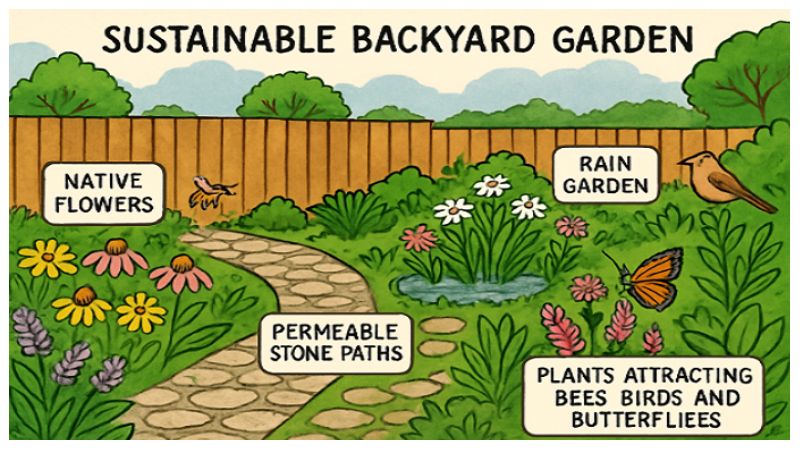
Native plants and drought-tolerant varieties are foundational for a sustainable landscape. These species, adapted to local climates, minimize the need for supplemental watering and chemical fertilizers, naturally thriving with less intervention. Native plant gardens support vital pollinators, such as bees and butterflies, and attract birds, helping build stronger local habitats. For example, integrating plants such as butterfly weed and wild bergamot provides food and shelter for native insects and wildlife.
Innovative Water Management Techniques
Water stewardship is one of the most significant challenges in landscaping today. Solutions like rain gardens capture stormwater and allow it to filter into the soil instead of running off into sewers. Permeable surfaces, such as gravel driveways or paver patios, help reduce urban runoff and prevent soil erosion. Smart irrigation systems, equipped with sensors and timers, deliver water only when necessary, based on real-time moisture data and weather forecasts. According to the EPA, these systems can save up to 50 percent of outdoor water use.
Integrating Edible Gardens
Incorporating edible plants like fruit trees, herbs, and vegetables blurs the line between ornamental landscaping and home gardening. Edible gardens not only offer fresh produce, reducing the need for store-bought goods and lowering your carbon footprint, but are also visually engaging. Designing beds that mix flowering plants and crops like kale or strawberries can create attractive, practical, and productive garden zones. Raised beds and vertical gardening options further multiply your space’s productivity.
Incorporating Smart Technology
Technology makes it easier to manage sustainable landscapes without constant manual labor. Automated irrigation controllers, solar-powered outdoor lighting, and app-integrated lawn mowing robots enable more precise control and scheduling, reducing energy use and environmental impact. Smart garden tools provide real-time data for optimizing water, sunlight, and maintenance routines, making landscapes healthier and easier to manage for busy homeowners.
Utilizing Natural and Reclaimed Materials
Choosing natural or recycled materials for garden structures, walkways, and patios minimizes the impact on global resources while adding character to your yard. Locally sourced stone, reclaimed bricks, and repurposed wood for retaining walls, fences, or benches contribute to authentic designs that reflect the regional landscape. These materials often last longer than synthetic alternatives and require less energy to produce and transport.
Encouraging Biodiversity
Sustainable landscaping embraces diversity, both in plant selection and habitat support. Mixing various plant heights, textures, and bloom times extends pollen and nectar availability, attracting a wide range of beneficial species. Creating pollinator-friendly gardens, leaving natural debris in select corners, or installing birdbaths, bee hotels, and toad shelters all foster a thriving, balanced ecosystem. Reducing chemical usage and opting for integrated pest management further boost garden health and wildlife presence.
Designing Multi-Functional Outdoor Spaces
Outdoor spaces serve more purposes than ever, from family gatherings and entertaining to work-from-home retreats or mindful relaxation. Sustainable designs blend these functions into cohesive environments using durable, eco-friendly elements. Examples include weather-resistant furniture made from recycled materials, natural pergolas for shade, or fire pits designed for minimal smoke emissions. A well-crafted landscape supports a healthy lifestyle, fosters connection with nature, and increases the usable footprint of your home.
Adopting Climate-Conscious Gardening
Climate adaptation is a critical theme in modern garden design. Selective planting for flood-prone, arid, or windswept areas makes outdoor spaces more resilient in the face of changing weather patterns. Techniques such as mulching, installing windbreaks, and designing for efficient drainage reduce weather-related losses and ensure year-round garden performance. As gardeners recognize the influence of regional climate, sustainable solutions will continue to evolve and gain popularity.
Sustainable landscaping is an investment in the future of your home and community. Adopting these strategies means enjoying beautiful, functional outdoor spaces while promoting green stewardship, resource efficiency, and long-term ecological health.
Conclusion
Sustainable landscaping is more than a design trend, as it is a thoughtful approach to creating outdoor spaces that benefit both homeowners and the environment. By incorporating native plants, efficient water management systems, and eco-friendly materials, you can develop a landscape that thrives naturally while requiring fewer resources. These practices not only enhance the beauty and functionality of your yard but also contribute to healthier ecosystems and improved biodiversity. Integrating features such as edible gardens, smart technology, and multi-functional outdoor areas further strengthens the value of sustainable design. As climate awareness grows, adopting climate-conscious gardening techniques ensures that landscapes remain resilient and adaptable for years to come. With careful planning and a commitment to environmentally responsible choices, homeowners can transform their yards into vibrant, sustainable spaces that support both personal enjoyment and long-term ecological balance.