
Key Takeaways
- Labor Shortages: Construction is experiencing a shortage of skilled labor, leading to scheduling challenges and higher labor costs.
- Rising Material Costs: Volatility in core material prices continues to pressure project budgets and timelines.
- Supply Chain Disruptions: External disruptions are impacting timely access to building materials and equipment.
- Technological Integration: The gradual adoption of digital tools impedes productivity gains and operational transparency.
- Health and Safety Concerns: Addressing both physical and mental health needs of construction workers is increasingly important.
The construction industry is a fundamental driver of economic growth, responsible for shaping skylines and infrastructure. Despite its essential role, contractors regularly encounter a range of obstacles that threaten project success. By understanding these issues and applying practical solutions, companies can improve both productivity and profitability. For those looking to partner with experienced professionals, JR & Co offers expertise in construction solutions tailored to industry challenges.
Unpredictable market conditions, persistent labor shortages, and evolving technological expectations present ongoing hurdles. Companies face external pressures such as fluctuating material costs and global supply chain snarls, while internal challenges include project management inefficiencies and the need to prioritize health and safety. Navigating this complex landscape requires a strategic mix of innovation and adaptability.
Labor Shortages
The shortage of skilled workers is one of the most persistent issues confronting contractors across the U.S. As experienced professionals retire, there are not enough new entrants to fill the gap. According to the Associated General Contractors of America, as of 2023, almost nine out of ten contractors reported difficulties finding skilled labor. This scarcity often creates a domino effect, causing costly project delays and stretching teams thin.
Solution: Embracing Automation and Robotics
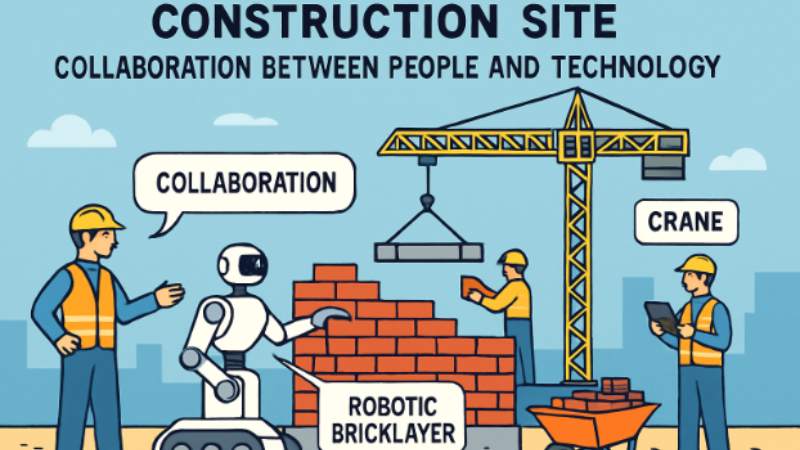
One way the industry is responding is through automation and robotics. Automated bricklaying, material handling, and site surveying are increasingly being integrated into daily operations. These technologies reduce reliance on manual labor for repetitive or hazardous tasks, allowing the available workforce to focus on higher-value activities. Not only do these tools help bridge the labor gap, but they also boost project efficiency and enhance worker safety.
Rising Material Costs
The price of basic construction materials such as wood, steel, and concrete has surged due to factors including inflation, global crises, and supply bottlenecks. Such instability creates significant challenges for project estimates, forcing many builders to adjust bids and budgets mid-project.
Solution: Leveraging Predictive Analytics
To counter rising costs, many forward-thinking companies are turning to data-driven approaches such as Building Information Modeling (BIM). BIM software not only provides more accurate material estimates but also streamlines collaboration among stakeholders, ensuring resources are allocated efficiently. By optimizing project design before construction begins, teams can proactively identify and avoid unnecessary expenditures.
Supply Chain Disruptions
Recent years have highlighted the vulnerability of global supply chains, with natural disasters, geopolitical tensions, and transportation delays all contributing to material shortages and extended lead times. These disruptions force construction companies to adapt continuously, often securing backup suppliers or expediting orders at a high extra cost.
Solution: Diversifying Supplier Portfolios
Mitigating supply chain risk involves more than just securing alternate suppliers. Many firms are shifting toward local sourcing to minimize transportation delays and lessen environmental impact. In addition, security can be increased through index-linked contracts that safeguard against sudden price fluctuations, and by increasing inventory buffers for mission-critical materials. The trend is toward resilience and flexibility in procurement strategy.
Technological Integration
Compared to industries like manufacturing or retail, construction often lags in digital adoption. Manual processes are still commonplace, and lack of integration among software silos makes it difficult to have a real-time view of project status. This leads to inefficiencies, lost documents, and missed opportunities to collaborate effectively.
Solution: Adopting Integrated Digital Platforms
The integration of cloud-based platforms can transform project oversight by consolidating scheduling, communication, and reporting tasks. AI-powered solutions are enabling construction managers to analyze risk, monitor compliance, and automate routine administration. As a result, teams benefit from enhanced transparency, reduced overhead, and actionable insights.
Health and Safety Concerns
Historically, physical hazards dominated safety conversations in construction. Now, mental health is gaining increased attention as statistics reveal high rates of stress, burnout, and substance use within the workforce. The industry’s culture is beginning to accept that psychological well-being is just as critical as physical safety on the job site.
Solution: Implementing Mental Health Support Systems
Various companies are embracing a holistic approach to worker well-being by introducing dedicated programs, mental health training, and digital support systems. Advances in conversational AI are helping to lower barriers to discussing mental health, providing workers with immediate support and reliable information tailored to their needs. Increased investment in these tools equates to safer, more supportive work environments, resulting in higher morale and reduced absenteeism.
Final Thoughts
Tackling the construction industry’s unique challenges requires businesses to take proactive measures while fostering a forward-thinking culture. By embracing technology, upskilling the workforce, and prioritizing both physical and mental health, construction companies can adapt to today’s demands and build resilience for the future.