
Key Takeaways:
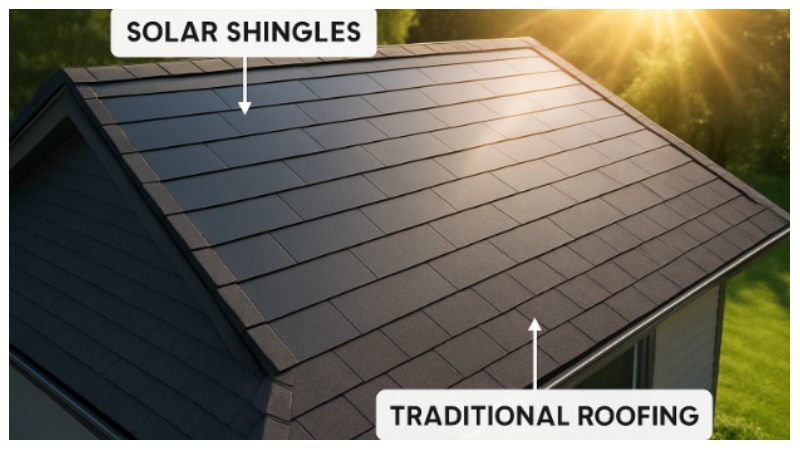
- Solar shingles seamlessly integrate photovoltaic technology into traditional roofing materials, offering both aesthetic appeal and energy generation.
- Advancements in solar shingle efficiency and affordability are making them a viable option for a broader range of homeowners.
- Incorporating solar shingles can enhance property value and contribute to environmental sustainability.
The Rise of Solar Shingles in Modern Roofing
As renewable energy solutions gain traction in the residential sector, solar shingles, or building-integrated photovoltaics (BIPV), have become a groundbreaking alternative to traditional roof-mounted solar panels. Unlike bulky solar panels installed on existing roofs, solar shingles are designed to look and function like standard roofing materials. This seamless integration makes solar roofing visually appealing, as the shingles become part of the roof itself rather than a separate addition. Many homeowners are now turning to innovative options such as Solstice Shingles to harness the benefits of solar energy while maintaining curb appeal.
The appeal of solar shingles extends beyond aesthetics. These shingles are engineered to withstand harsh weather conditions while converting sunlight into electricity. As consumer interest in energy efficiency and green technologies grows, demand for solar-integrated roofing solutions has surged. This shift underscores the significant role solar shingles are poised to play in the sustainable housing market.
Technological Advancements and Efficiency Gains
In recent years, technology has advanced the capabilities of solar shingles. Earlier models tended to achieve efficiencies of 10-12 percent, limiting their practicality for households with higher energy demands. Technological innovation has now led to solar shingle efficiency rising dramatically, with premium products achieving up to 22 percent. For context, efficiency improvements allow modern solar roofs to cover a significant share of a home’s energy needs, making this technology not just environmentally responsible but financially prudent.
In addition to greater energy generation, research and development in materials science have made solar shingles more durable and versatile. Today’s models are designed to resist wind, hail, and UV exposure much like conventional roofing while continually improving in design and installation efficiency.
Cost Considerations and Financial Incentives
Cost remains a top concern for homeowners exploring solar roofing. While the initial investment for solar shingles exceeds that of traditional roofing materials, the long-term benefits, such as energy savings and reduced reliance on utilities, can offset this premium. Over the past decade, rapidly declining manufacturing costs and expanded market availability have driven prices down, making solar shingles a feasible choice for a broader audience.
There are also compelling financial incentives at both the federal and state levels. A prominent example is the federal residential solar energy tax credit, which covers a significant portion of installation expenses. Homeowners can deduct a percentage of the cost of their solar system from their federal income taxes, substantially lowering the net price of installation.
Environmental Impact and Sustainability
By installing solar shingles, homeowners actively contribute to global environmental goals by generating renewable energy at the point of use. Unlike energy derived from fossil fuels, solar power is clean and sustainable, significantly reducing a household’s carbon footprint. Widespread adoption can drive measurable reductions in greenhouse gas emissions by lowering demand for nonrenewable energy sources. This integration supports both individual sustainability goals and broader community commitments to combat climate change.
Enhancing Property Value and Market Appeal
Homebuyers are increasingly prioritizing energy efficiency and green features in their home searches. Solar shingles can enhance a property’s resale value, serving as a high-tech amenity that appeals to eco-conscious buyers. By producing energy, improving insulation, and presenting a visually clean finish, homes equipped with solar roofing stand out in crowded real estate markets.
Data suggests that solar homes often command a premium over homes without solar technology. The return on investment extends beyond monthly utility savings, tying directly into long-term property appreciation and salability.
Challenges and Considerations
Despite significant benefits, solar shingles present a few challenges that homeowners must weigh. The upfront cost remains higher than for regular roofing, and specialized installation is required, limiting the pool of certified installers in some regions. The performance of solar shingles also depends on roof orientation, shading, and local weather conditions, so not every home is an ideal candidate.
Homeowners should carefully research local regulations, rebate programs, and installer credentials before committing to a solar shingle project. Consulting with experienced energy professionals can help ensure the chosen solution aligns with both the architectural requirements and the household’s energy needs.
The Future of Solar Roofing
The future outlook for solar roofing is bright as researchers continue pushing the boundaries of efficiency, affordability, and resilience. Next-generation materials, such as thin-film solar and graphene-coated shingles, are in development and hint at even better performance. These innovations are set to deliver lighter, more flexible, and longer-lasting options tailored for diverse climates and aesthetic preferences.
As government incentives persist and public awareness of environmental issues grows, solar shingles are anticipated to become a mainstream feature of tomorrow’s smart homes. Integrated renewable energy solutions will help homeowners achieve both net-zero energy goals and lasting financial savings.
Conclusion
Solar shingles represent a leap forward in both renewable energy adoption and home construction innovation. Offering a blend of aesthetics, durability, and environmental responsibility, they make it easier than ever for homeowners to align with sustainable values without sacrificing design. As technological progress continues apace, solar shingles are likely to transform the residential energy landscape and set new standards for green building practices for years to come.