Table of Contents
- Introduction
- Extending Roof Lifespan
- Preventing Costly Repairs
- Enhancing Energy Efficiency
- Ensuring Safety and Compliance
- Protecting Interior Assets
- Improving Aesthetic Appeal
- Conclusion
Introduction
Commercial properties represent substantial financial investments for any organization, and the roof is one of their most vital protective features. A poorly maintained commercial roof can quickly lead to significant structural deterioration, resulting in costly repairs, business interruptions, and even the loss of valuable occupants or tenants. In contrast, prioritizing regular, professional maintenance allows business owners to safeguard their property, ensure everyone’s safety, protect interior assets, and reduce the risk of unforeseen expenses. Click here to explore tailored commercial roof maintenance solutions designed to safeguard the value and overall functionality of your property.
Implementing a proactive roof care plan extends the lifespan of your roofing system and provides additional benefits, such as enhanced energy efficiency and easier regulatory compliance. Businesses that commit to consistent maintenance experience greater operational continuity, improved cost management, and a significant boost in overall property aesthetics. By embracing professional roof maintenance, you’re not just protecting your roof—you’re making a wise, strategic investment in the future of your business, its day-to-day operations, and its long-term market position.
Extending Roof Lifespan
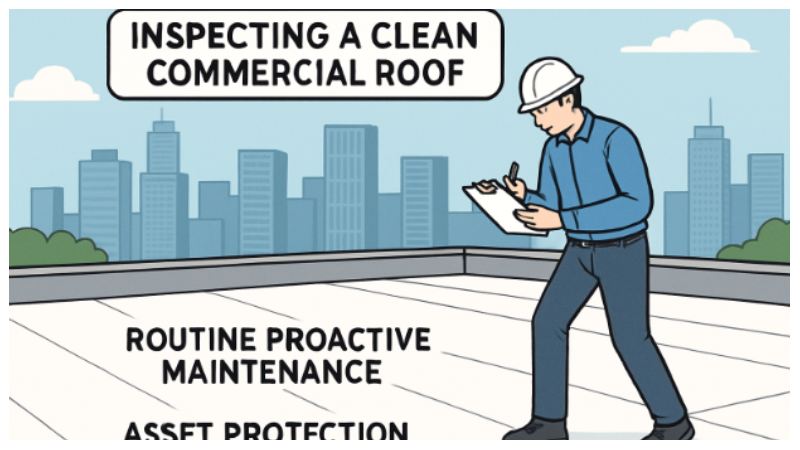
Routine commercial roof maintenance can dramatically extend the lifespan of your roofing system, delaying the need for a full replacement. Even the most durable roofing materials, such as TPO, EPDM, or modified bitumen, degrade over time due to exposure to sun, rain, wind, and fluctuating temperatures. Debris buildup, leaves, and pooled water can add extra strain, accelerating wear and tear. Regular professional inspections are essential, as they catch minor issues—such as small punctures, split seams, bubbling, or clogged drainage systems—before they become much larger and more expensive problems. With timely repairs and preventive care, businesses avoid premature roof replacements, thereby maximizing the return on their original investment. Moreover, consistent upkeep establishes a predictable, stabilized maintenance budget, helping avoid sudden cost spikes associated with emergency roof replacements.
Preventing Costly Repairs
Addressing roofing issues in their infancy is significantly more cost-effective than responding to crises after significant damage has occurred. Leaks, blisters in the membrane, and unchecked flashing failures can quickly lead to extensive structural deterioration or even unsafe working conditions. Water infiltration doesn’t just harm the roof; it can seep down to ceilings, walls, insulation, and electrical components. Regularly scheduled professional inspections are key to detecting these vulnerabilities early on, often before they become visible from inside the building. A well-managed roof maintenance plan can drastically reduce the frequency of emergency roof repairs and prevent costly operational shutdowns. By staying ahead of major issues, organizations save not only money but also valuable time, enabling uninterrupted business operations and reducing stress for managers and staff.
Enhancing Energy Efficiency
A commercial roof in optimal condition is central to your building’s energy efficiency strategy. Over time, gaps, moisture infiltration, or poorly sealed penetrations compromise the property’s thermal envelope, forcing heating, ventilation, and air conditioning (HVAC) systems to work harder and less efficiently. Roof maintenance professionals not only resolve visible issues but also test and verify the integrity of insulation materials, ensuring that heated or cooled air stays inside where it belongs. Additionally, a maintained roof offers opportunities for upgrades, such as installing high-reflectivity coatings or modern insulation that further lowers energy costs. Consistent roof maintenance helps lower utility bills and maintain more stable indoor temperatures, reducing your building’s carbon footprint. Over the long term, these energy savings can meaningfully offset the costs associated with ongoing roof maintenance and even add to your company’s bottom line.
Ensuring Safety and Compliance
Maintaining commercial roofing is not just about asset protection—it’s intrinsically linked to the safety of building occupants, employees, and visitors. Structural weaknesses, water damage, or mold growth from a neglected roof can create hazardous conditions, leading to slips, falls, and even potential roof collapses. These hazards can expose property owners to insurance claims, lawsuits, and workplace safety violations. Professional roof inspectors ensure your roof complies with local building codes, fire safety ordinances, and occupational health standards, thereby minimizing the risks associated with regulatory noncompliance. Keeping clear documentation of all maintenance activities also helps in the event of insurance claims or legal disputes. With these records, your business can prove due diligence and satisfy insurance requirements, potentially speeding up claims and avoiding costly fines—all while fostering a safer environment.
Protecting Interior Assets
The threat of water intrusion is one of the most persistent risks of an aging or poorly maintained commercial roof. Leaks can damage not only the building’s structure but also sensitive electronic equipment, necessary paperwork, stored inventory, and office furnishings. Even relatively minor seepage that goes unnoticed for months can cause extensive operational disruptions, force staff relocation, or lead to lengthy downtime while repairs are completed. In some industries, a single leak damaging critical equipment can result in lost business or harm a company’s reputation. Proactive maintenance focuses on bolstering weatherproofing, unclogging drains, and ensuring all penetrations are adequately sealed. This comprehensive approach helps businesses avoid both direct financial loss and the indirect costs associated with disrupted workflows or lost public trust.
Improving Aesthetic Appeal
A prominent component of your property, the roof can significantly impact first impressions for clients, tenants, and investors. Stains, sagging areas, visible membrane tears, or debris collections can create an instant impression of neglect and poor management. When roof exteriors are left uncared for, it reflects on your company as a whole, potentially driving customers or tenants to competitors. Conversely, a clean, structurally sound roof suggests that building owners invest in quality and take pride in their property’s presentation. Routine professional maintenance helps avoid unsightly issues, keeping properties looking polished and inviting. This ongoing attention to detail can become a valuable marketing asset, strengthening your brand’s reputation and even becoming a deciding factor for future tenants or business partners.
Conclusion
Leveraging professional commercial roof maintenance provides significant advantages that protect your financial investments and physical assets from avoidable risks. From extending your roof’s effective lifespan and preventing disruptive, costly repairs to enhancing energy performance, maintaining regulatory compliance, and projecting a polished business image, regular maintenance is integral to long-term property success. By working with commercial roofing experts, business owners can implement a proactive plan that supports their operational needs and sustainability goals. Timely maintenance is not merely a cost item. Still, an essential part of any smart business strategy, helping to minimize liability risks, reduce unexpected expenditures, reinforce customer trust, and ensure sustainable growth for years to come.