Growing old at home can be comforting, familiar, and dignified. However, it does come with its share of risks that are hard to ignore.
A simple fall in the bathroom can result in hospitalization. A dizzy spell while cooking may result in being unable to reach a phone. Even a delay in the response to an emergency can turn a manageable situation into a serious medical emergency.
At the same time, family members may live far away, making immediate physical assistance impossible. Therefore, the question arises: how do you keep yourself independent yet guarantee speedy help during an emergency situation?
This article discusses the importance of medical care alert systems in keeping elderly people safe across Canada.
Instant Access to Emergency Assistance
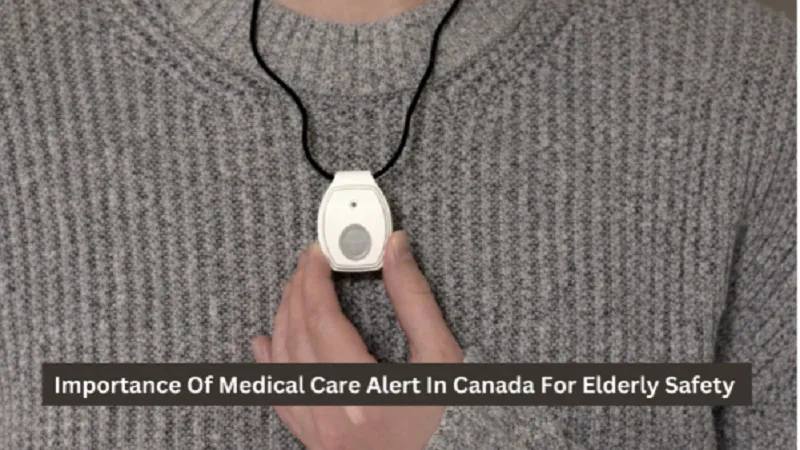
A medical care alert in Canada gives direct access to trained emergency monitoring professionals at the press of a button. That one feature alters the whole risk equation when it comes to seniors who are living independently.
Instead of having to find a phone in the event of a fall or a medical incident, assistance can be activated on the spot with the help of a wearable device. Within seconds, the team assigned to the response can evaluate the situation and call emergency services if necessary. As a result, response times improve greatly, and complications from delayed treatment are reduced.
In addition, many systems work around the clock, which means that there is help available at any hour of the day, including late at night when incidents often occur. This constant availability provides a reliable layer of safety that the traditional devices of communication cannot offer.
Faster Response During Falls
Falls are one of the most common causes of injury in the elderly. Even in cases where the injury does not seem serious, internal complications can arise with a delay in assistance. As a result, a quick response is critical.
Many medical alert systems now have automatic fall detection technology. This feature detects sudden movements which would be consistent with a fall, and triggers an emergency call, even if you are not then able to press the button. Therefore, help can be sent even if unconscious or disoriented.
Furthermore, quicker intervention lowers the risk of long-term mobility problems, risk of infections due to extended immobility, and hospital readmissions.
Continuous Monitoring and Professional Coordination
Emergency support is more than making a call to 911. A structured monitoring process means that each situation is correctly assessed before taking action.
When an alert is triggered, specially trained personnel communicate directly by use of built-in two-way voice systems. They assess the severity of the situation, decide whether or not emergency medical services need to be called, and contact designated family contacts if needed.
This layered response helps ward off unnecessary ambulance dispatches and targets serious emergencies to help ensure proper and timely response. Additionally, it limits confusion in high-stress situations, as the professionals provide an efficient guide for the next steps.
As a result, you not only get a faster response but also effective coordinated care management even during critical moments.
Encourage Independence Without Sacrificing Safety
Many seniors reject additional safety tools because they are afraid of losing autonomy. However, medical alert systems are meant to protect and maintain independence rather than limit it.
Because the devices are wearable and discreet, they don’t get in the way of everyday activities. You can cook, garden, shower or rest while being protected. Importantly, you are in control – the assistance is activated only when there is a need.
This feeling of control has a significant effect on mental health. When you feel secure, less anxiety is experienced. As a result, you are more likely to continue to be socially engaged and physically active.
Therefore, rather than representing vulnerability, a medical alert system promotes independence by assuring there is always support within reach.
Support Beyond Home
Independence often implies being socially engaged. Whether you are visiting friends, running errands, or going for a walk in the neighborhood, you should not feel restricted because of safety concerns.
Mobile systems have built-in cellular connectivity and GPS tracking to give you protection wherever you go. If you trigger an alert in a remote location, monitoring experts can accurately locate your position and deliver help to you.
Therefore, you don’t need to restrict outings because you are worried about response logistics. Instead, you retain mobility while infusing a discreet safety net.
This is a mobility-centered design that promotes ongoing participation in daily life. Additionally, ongoing involvement encourages physical health, mental stimulation, and social connection-all of which are crucial components of independent living.
Peace of Mind for Families and Caregivers
While the primary purpose of the system is to protect the senior, it can also help family members who might be worried about emergency situations. Long-distance caregiving is becoming increasingly commonplace, and constant uncertainty can build stress.
Medical alert systems help to fill the gap. Designated contacts can be notified in times of emergencies, ensuring transparency and timely updates. Some systems may also provide optional check-in features to confirm daily activity.
Because of this communication structure, the family gets reassurance without having to constantly monitor. At the same time, seniors don’t want to feel supervised or constrained.
Ultimately, this balance strengthens trust and reduces tension within families and provides everyone with the opportunity to focus on quality time, as opposed to worst-case scenarios.
Final Thoughts
Thus, safety in later years requires planning. Falls, sudden illnesses, and unexpected emergencies may happen without any warning. However, technology has provided a structured approach to minimize response time, enhance coordination, and independence.
By offering immediate emergency access, fall detection, mobile GPS tracking, and professional monitoring and family coordination, medical care alert systems build an overall package of safety.