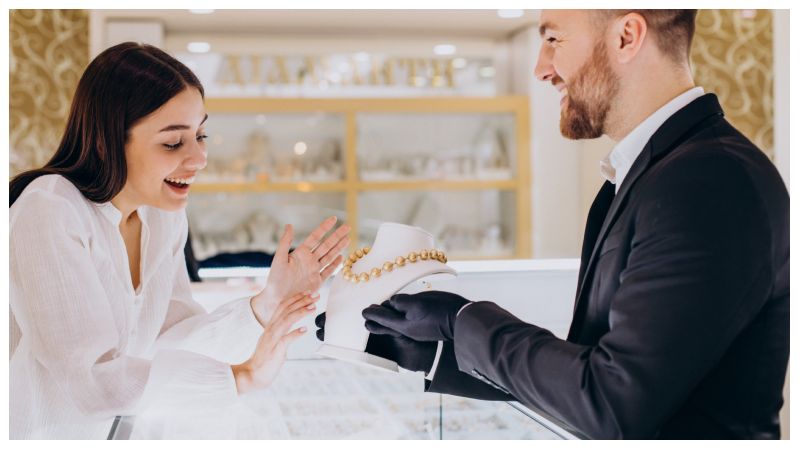
Interest in investment jewelry is growing as people look for assets that combine lasting value with practical use, and Scottsdale has quietly become part of that conversation. The market here reflects a shift toward transparency, informed decision-making, and relationship-driven transactions rather than quick, one-off deals. Buyers and sellers are paying closer attention to how value is assessed, how pricing is explained, and who they choose to work with. Why are more people paying attention to markets that emphasize trust over volume? Because in high-value transactions, clarity and credibility often matter just as much as the asset itself.
What Actually Makes Jewelry Worth Investing In?
Not all jewelry is created with long-term value in mind, and that distinction matters more than many people realize. Investment-grade jewelry typically involves high-quality materials like solid gold, rare diamonds, or well-crafted pieces that hold intrinsic value beyond aesthetics. While fashion jewelry is designed to follow trends, investment jewelry is chosen for durability, scarcity, and market demand. What makes a piece truly investable often comes down to how well it retains value over time rather than how it looks in a display case. That’s why buyers who think long-term tend to focus on fundamentals rather than trends.
Understanding categories is key to making informed decisions in this space. Gold, for example, carries value based on weight and purity, while diamonds are evaluated through widely accepted grading standards that determine their desirability. Luxury watches and certain designer pieces may also hold value, but only if they meet specific criteria tied to craftsmanship and demand. Is a piece valuable because it’s beautiful, or because it meets strict quality benchmarks that the market recognizes? In reality, the strongest investment pieces tend to combine both, offering financial stability while still being wearable and meaningful.
Why Trust Matters More Than Ever in Jewelry Transactions
Trust plays a central role in any high-value transaction, but in jewelry, it becomes absolutely essential. Buyers and sellers are often dealing with items that can vary significantly in value based on small differences in quality or condition. Without clear communication and reliable evaluation, it becomes easy to misprice or misunderstand what’s being offered. Many people worry about being underpaid when selling or overpaying when buying, and those concerns are valid in a market that isn’t always transparent. That’s why trust is often the deciding factor in whether a transaction even takes place.
A trustworthy jewelry buyer or appraiser in Scottsdale doesn’t just provide a number, they explain how that number was reached and what factors influenced it. How often do people walk away from a deal simply because something didn’t feel right, even if the price seemed reasonable? In a market built on relationships, that instinct matters. Over time, businesses that prioritize honesty and clarity tend to stand out, earning repeat clients and long-term credibility.
What Sets Scottsdale Apart From Other Jewelry Markets
Scottsdale has developed a reputation as a place where quality and trust intersect, creating a unique environment for jewelry transactions. The local market benefits from a client base that is generally well-informed and expects transparency when dealing with high-value items. This pushes buyers and sellers alike to maintain higher standards, which in turn strengthens the overall ecosystem. Unlike larger markets that can feel impersonal, Scottsdale often operates on a more relationship-driven level. That dynamic encourages consistency, accountability, and better service across the board.
Another factor is the steady flow of visitors and seasonal residents who bring diverse expectations and purchasing behaviors. This creates a market that is both competitive and adaptable, with professionals who understand how to meet a wide range of client needs. Why does that matter for someone looking to invest or sell? Because it means there is both demand and expertise available, which are critical for fair pricing and smooth transactions. Over time, this balance has helped position Scottsdale as a serious player, even when compared to more traditional jewelry hubs.
How Transparency Is Changing the Way Jewelry Is Bought and Sold
The jewelry market has become more transparent in recent years, and that shift is reshaping how transactions are approached. Clear pricing models, especially for gold and other commodities, make it easier for clients to understand what their items are worth. Instead of relying on vague estimates, buyers are increasingly expected to provide data-backed valuations that reflect current market conditions. This reduces confusion and helps set realistic expectations from the start. As a result, transactions tend to feel more straightforward and less like a negotiation game.
Education plays a major role in this shift toward transparency. When clients understand how value is determined, whether through weight, purity, or grading standards, they are better equipped to evaluate offers. What happens when both sides have access to the same information and use it to guide the conversation? The process becomes more balanced, and trust naturally follows. This doesn’t eliminate negotiation entirely, but it does create a more informed and respectful exchange. Over time, this approach benefits both buyers and sellers by making the market more predictable and fair.
Why More People Are Turning to Jewelry as a Smart, Tangible Asset
In times of economic uncertainty, many people look for assets that feel stable and tangible. Jewelry offers a unique combination of portability, intrinsic value, and personal use, making it appealing in ways that purely financial assets are not. Unlike stocks or digital investments, jewelry can be physically held, stored, and even worn, which adds another layer of perceived security. This doesn’t make it risk-free, but it does provide a sense of control that some investors value. As a result, more people are beginning to see jewelry as part of a diversified approach to wealth.
There is also a growing shift in how different generations view ownership and value. Younger buyers, in particular, are often drawn to assets that combine function with long-term potential. Why invest in something you can’t enjoy in your daily life, when you can choose something that serves both purposes? Jewelry fits that mindset, offering both aesthetic appeal and financial relevance. Over time, this dual role is likely to play a larger part in shaping demand and influencing how the market evolves.
Common Mistakes to Avoid When Buying or Selling Investment Jewelry
One of the most common mistakes people make is assuming that retail price directly reflects resale value. In reality, the resale market operates under different conditions, and prices are influenced by factors like demand, condition, and current market rates. Failing to understand this can lead to unrealistic expectations and disappointment during negotiations. Another issue is overlooking the importance of documentation, such as certifications and appraisals, which can significantly impact value. Without these, even high-quality pieces may be undervalued.
Convenience can also lead to poor decisions if it comes at the expense of credibility. Quick online offers or rushed transactions may seem appealing, but they often lack the depth needed for accurate valuation. What’s the real cost of choosing speed over certainty in a high-value transaction? In many cases, it means leaving money on the table or accepting unnecessary risk. Taking the time to research the market, compare options, and work with trusted professionals can make a noticeable difference in the final outcome.
Conclusion
Investment jewelry is not just about materials or market trends, but about the confidence behind every transaction. Scottsdale’s market shows how transparency, expertise, and strong client relationships can shape better outcomes for both buyers and sellers. As more people approach jewelry with a long-term perspective, the importance of working with knowledgeable and trustworthy professionals becomes even clearer. What ultimately determines whether a transaction feels successful, the price alone, or the level of trust behind it? In most cases, it is the combination of both that defines real value.