Table of Contents
- Regular Filter Replacement
- Cleaning Outdoor Units
- Sealing Ductwork
- Installing a Programmable Thermostat
- Keeping Vents and Registers Clear
- Monitoring Humidity Levels
- Inspecting the Condensate Drain Line
- Scheduling Professional Maintenance
Ensuring your heating, ventilation, and air conditioning (HVAC) system is regularly maintained is key to comfort and efficiency in any home. Preventive care not only saves you from costly repairs but also helps maintain healthy indoor air and lower utility bills. If you’re seeking guidance or considering a trusted HVAC contractor North Carolina, these actionable tips can help preserve your investment for years to come.
Homeowners who maintain their HVAC systems in optimal working order enjoy a more reliable indoor environment, minimizing discomfort caused by breakdowns and sudden drops in efficiency. Thoughtful maintenance results in fewer interruptions, improved air quality, and potentially a longer HVAC system lifespan.
Preventive maintenance includes filter changes, cleaning tasks, sealing air leaks, managing humidity, and relying on professional service checks. Each step contributes to a system that runs smoothly, quietly, and efficiently, regardless of the season or age of the equipment.
Maintaining basic care routines is a straightforward way to support both comfort and indoor air quality, especially during extreme temperatures or seasons with high levels of allergens. Simple home maintenance can have a big impact on your household, your wallet, and your peace of mind.
Regular Filter Replacement
Air filters are your HVAC system’s first line of defense against dust, pollen, and pet dander. When filters become clogged, they constrict airflow, forcing your system to use more energy while reducing its ability to provide consistent comfort. To protect your system and improve indoor air quality, inspect your filters monthly and replace them every one to three months—more frequently if your home includes pets, smokers, or individuals with allergies. Keeping fresh filters in your system also helps combat seasonal allergens and pollution, providing cleaner air inside your home.
Cleaning Outdoor Units
Outdoor HVAC components, such as the condenser unit, require unobstructed airflow to operate effectively. Leaves, twigs, pollen, and grass clippings can accumulate near the unit, reducing its performance and potentially causing damage. Gently remove visible debris and clean the condenser coils with a low-pressure garden hose. Ensure there’s at least a two-foot clearance around the outdoor unit, free of plants or other obstructions.
Sealing Ductwork
Up to 30% of conditioned air can be lost through leaks in HVAC ductwork, resulting in wasted energy and uneven cooling or heating throughout your home. To check for leaks, inspect ducts in attics, basements, and crawl spaces for visible gaps or damaged seams. Use mastic sealant or HVAC-approved foil tape for a durable repair. Properly sealed ducts not only lower utility costs but also reduce the infiltration of dust and contaminants, supporting a healthier home.
Installing a Programmable Thermostat
Programmable thermostats are a practical upgrade, enabling you to set temperature schedules that match your family’s daily routine. Lowering your settings overnight or while everyone is away can significantly reduce energy usage. According to the Environmental Protection Agency, these smart thermostats can save homeowners up to 10% a year on heating and cooling costs.
Keeping Vents and Registers Clear
Blocked vents can disrupt the balanced distribution of heated or cooled air, placing unnecessary strain on your system and reducing comfort in certain rooms. Ensure drapes, rugs, and furniture don’t block airflow by keeping all registers and return vents unobstructed. Periodically vacuum vent covers and check for the buildup of dust or pet hair, which can also impede airflow and contribute to higher energy bills.
Monitoring Humidity Levels
Maintaining optimal indoor humidity, generally between 30% and 50%, is vital for comfort and the efficient operation of your HVAC system. Excess humidity makes your cooling system work harder in summer, while overly dry air in winter can aggravate respiratory concerns. Consider a whole-home humidifier or dehumidifier for automated control, especially in climates with high seasonal humidity or dryness.
Inspecting the Condensate Drain Line
Your air conditioner’s condensate drain line removes excess moisture, preventing water damage. However, algae, mold, and debris can block the line, leading to water leaks or system shutdowns. Each season, inspect and flush the line with a mixture of water and vinegar to clear potential clogs. Timely attention to this detail can save hundreds in potential repairs and maintain system efficiency.
Scheduling Professional Maintenance
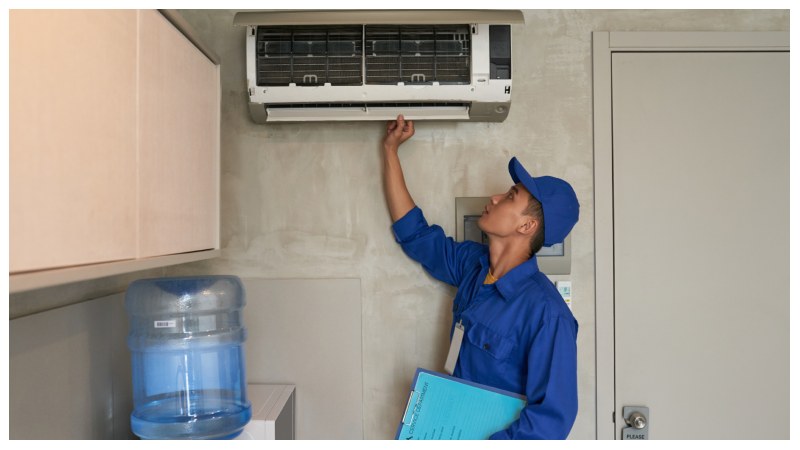
Beyond DIY efforts, professional inspections provide peace of mind and early detection of hidden problems. HVAC technicians are trained to identify worn parts, electrical issues, and refrigerant needs before they result in failure. Schedule annual service—one for your cooling system in spring and one for your heating system before winter. These visits help keep your system’s warranty intact and ensure reliable operation throughout the year.
Conclusion
Preventive HVAC maintenance is a simple yet powerful way to ensure consistent comfort, healthier indoor air, and lower energy costs throughout the year. By combining routine homeowner care with regular professional inspections, you can extend the life of your system and avoid unexpected breakdowns. A well-maintained HVAC system not only performs more efficiently but also provides lasting peace of mind for you and your household.