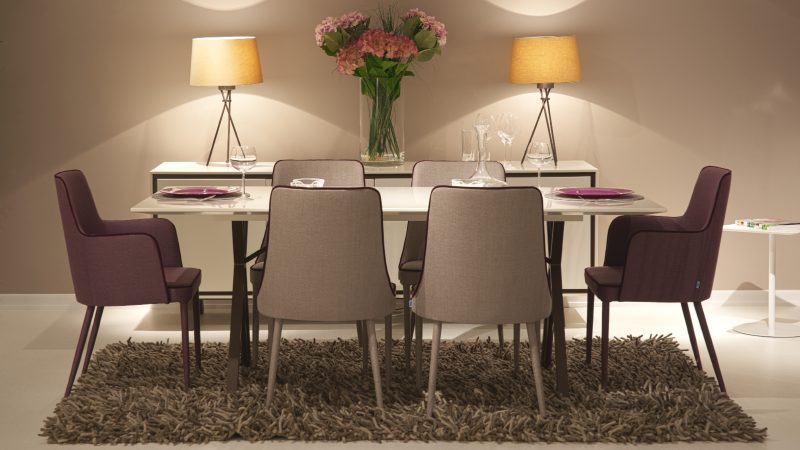
Dining tables tend to outlast the chairs around them. A solid table can serve a family for decades, while chairs take the daily wear: people lean back, drag them across the floor, spill on the seats and stand on them to change a light bulb. Eventually the table still looks fine and the chairs don’t.
Replacing only the chairs is a sensible fix. It costs less than a full dining set, keeps a table that may carry family history, and can change the whole feel of the room. The challenge is making new chairs and an older table look like they belong together.
Start With The Numbers
Before thinking about style, check three measurements. They decide whether a chair will be comfortable, whatever it looks like.
Seat height. Most dining tables stand about 29 to 30 inches tall. A comfortable gap between the seat and the underside of the tabletop is usually 10 to 12 inches, which puts most dining seats around 18 inches high. Measure your table from the floor to its top, then subtract that gap to find the seat height you need.
Apron clearance. Many tables have an apron, the wooden band that runs beneath the tabletop. Measure from the floor to the bottom of the apron, not the top of the table. Arm chairs especially need to slide under it, or they’ll sit awkwardly away from the table.
Width per person. Plan on roughly 24 inches of table edge for each seat so diners aren’t bumping elbows. Wider chairs need more space, so count how many will actually fit along each side before buying a full set.
Match, Coordinate Or Contrast
There are three broad ways to pair chairs with a table, and each creates a different look.
Matching means choosing chairs in the same wood and finish as the table. It gives a calm, traditional feel and works well in formal dining rooms. The tricky part is getting the finish close enough, since even the same species can look different after years of light and wear.
Coordinating means picking chairs that share something with the table, such as a similar tone, a related leg shape or the same era of design, without being an exact match. This is often the easiest approach with an older table, because it doesn’t depend on a perfect finish match.
Contrasting means choosing chairs that deliberately stand apart, such as painted chairs around a natural wood table or modern chairs with a traditional one. Done with intent, it looks lively and personal. The key is to repeat the contrast consistently so it reads as a choice and not an accident.
Understanding Wood Species
When chairs and tables are both wood, the species makes a big difference in how well they pair. Each wood has its own color and grain.
Cherry has a warm reddish tone that deepens noticeably with age and exposure to light.
Walnut is naturally dark and rich, with a smooth, elegant grain.
Oak has a strong, open grain pattern that shows through most stains.
Ash is lighter in color with a bold grain that resembles oak.
Maple has a fine, even grain and a pale, clean look that takes paint well.
Grain is often more important than color. A fine-grained maple chair beside a heavily grained oak table can look mismatched even if the stain colors are close. If you can, bring a photo of the tabletop in natural light, or a drawer or leaf from the table, when comparing finishes. Many chair makers offer a wide range of stain and paint colors, which makes it much easier to get close to an existing piece or to choose a deliberate contrast.
Wood Seat Or Upholstered
The seat changes both comfort and upkeep.
Wood seats are durable, easy to wipe clean and suit busy households with young children. They also show off the craftsmanship of the chair. Many people add a tie-on cushion for longer meals.
Upholstered seats feel softer and invite people to linger at the table after dinner. They also add color and texture to a room dominated by wood. Fabric choice matters here: performance fabrics and leather handle spills better than delicate weaves. Since dining room chairs see daily use, it’s worth asking whether seat fabric can be replaced later, which can extend a chair’s life by years.
Arm Chairs, Side Chairs And Benches
A dining set doesn’t have to use a single chair style. A common arrangement places arm chairs at the ends of the table and armless side chairs along the sides. The arm chairs mark the head of the table and feel more substantial, while side chairs save space and slide in and out easily.
Benches are another option, especially along a wall or on one side of a rectangular table. They seat more people in less space, particularly children, and give the room a relaxed, farmhouse feel. Pairing a bench on one side with chairs on the other is a simple way to mix styles without overthinking it.
Test Before You Buy
Chairs are personal. A design that looks perfect may feel wrong after twenty minutes. When possible, sit in a chair at a table of similar height and spend a few minutes there.
Check that your feet rest flat on the floor and your knees clear the tabletop. Lean back to see how the back supports you. Shift your weight to feel whether the frame is solid or wobbly. Pull the chair in and out a few times to see how easily it moves.
A Quick Pairing Checklist
Measure table height and apron clearance.
Count how many chairs fit along each side.
Decide whether to match, coordinate or contrast.
Compare wood grain as well as stain color.
Choose wood or upholstered seats based on how you live.
Consider arm chairs at the ends or a bench on one side.
Sit in the chair before committing.
A Fresh Look For A Familiar Table
New chairs can make an old table feel new again. With the right measurements and a clear idea of the look you want, it’s possible to keep a table you love and still give the dining room a refresh, one comfortable seat at a time.