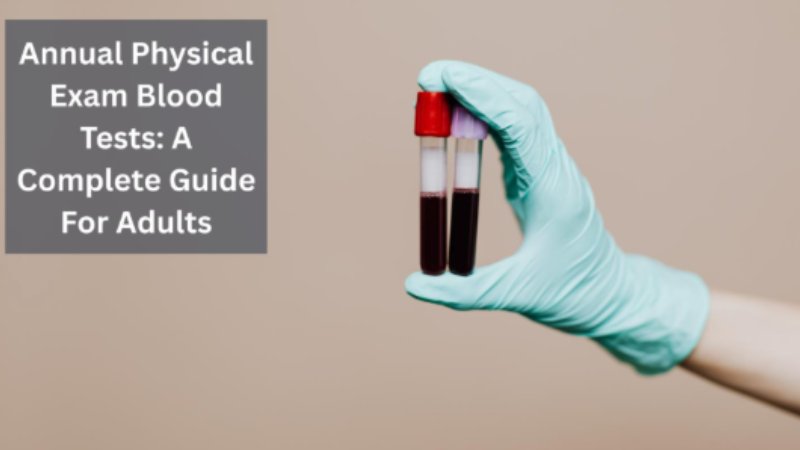
It may seem like a lot of work to keep up with your health, with unfamiliar tests and medical terms. You may ask yourself about what blood tests you actually need, what the results mean, and whether they have any actual impact on your well-being.
Meanwhile, a lot of health conditions are unseen and may not show warning signs until they become more severe. Such ambiguity usually results in a lack of action or early care. That is where routine checkups are necessary.
A yearly physical checkup is an organized method of evaluating your health and identifying any possible problems at an early stage. Among others, blood tests are a way to have a quantifiable understanding of how your body works internally. This article discusses the most significant blood tests, their relevance, and how they enable you to maintain control of your health.
Knowing the Purpose of Routine Blood Tests
During your annual checkup, your doctor might advise you to have blood tests as annual physical exam blood tests to check on your health. The tests are like a baseline, as they assist in comparing results and detecting changes over time. Even minor changes would provide valuable hints with regard to your health patterns.
They also assist in the early detection of conditions like diabetes, anemia, infection, and nutritional deficiencies before they manifest. You are therefore able to act before things get serious or harder to handle.
Moreover, blood tests will give you an idea of the performance of your body organs. Through the periodic reviewing of these markers, you will have a better insight into your inner health and well-being.
What Routine Blood Tests Involve
Routine blood tests involve the following essential checks that can help to identify potential problems early.
1. Complete Blood Count (CBC): Your Health Snapshot
Complete Blood Count (CBC) is an overall picture of what is happening in your body as it tests the red blood cells, white blood cells, and platelets. It is usually among the initial tests in regular checkups.
Oxygen is transported by red blood cells, and insufficient oxygen can signify anemia that can cause fatigue and lack of energy. The white blood cells are beneficial to your immune system, and when abnormal, they will be a sign of infection or inflammation. The platelets are involved in clotting and healing.
A combination of these measurements provides a full picture of your health. It is what makes the CBC a useful tool to quickly detect issues and direct further tests when necessary, and keep track of your progress in case you are already a patient.
2. Lipid Profile: Heart Health Monitoring
Lipid profile is an examination of LDL, HDL, and triglycerides to determine cardiovascular health. The test is increasingly becoming relevant as lifestyle habits and age begin to impact heart health.
High levels of LDL can cause heart disease, but HDL can save your body by removing excessive cholesterol. An unhealthy diet or metabolic problems may be a cause of high triglycerides.
Following such numbers will assist you in making correct lifestyle changes, including improved diet, exercise, and stress management. Even the slightest advancement can result in improved heart conditions in the long term. Frequent testing also makes you realize how your habits impact your outcomes, so it is encouraging to be consistent with healthy decisions.
3. Blood Glucose Tests: Early Diabetes Detection
Blood glucose is a test of sugar levels, which is used to diagnose prediabetes and diabetes. It is one of the main components of metabolic health maintenance. Fasting glucose indicates your present level, and HbA1c indicates long-term trends. These two together give you a full illustration of the way your body processes sugar.
Early diagnosis enables you to take steps that can be changed in lifestyle, such as eating well and engaging in physical activities, to avert complications and keep your energy stable. Moreover, regular checkups can help you understand the impact of daily practices on your blood sugar, making you more conscious of your decisions.
4. Liver and Kidney Function Tests: Analysis of Vital Organs
The liver and kidneys play a vital role in the process of toxin and balance maintenance. A regular blood work is to verify their functionality. Liver tests are enzyme tests assessing the functionality, and kidney tests assess creatinine and BUN. These values show how well your body is at eliminating waste.
Such tests assist in identifying problems early so that you can take precautionary measures and prevent complications that could impact long-term health. They also give an overview of your body’s reaction to medications or lifestyle influences, which is significant in continued health care.
5. Thyroid Tests: Hormonal Balancing
Thyroid tests involve the measurement of TSH, T3, and T4, which govern metabolism and energy levels. These hormones affect your body’s energy consumption during the day. A weak thyroid can result in fatigue and weight gain, whereas an overactive thyroid can result in weight loss and anxiety.
Since symptoms can overlap with other conditions, blood testing provides clarity and supports timely treatment, helping you maintain overall balance. Regular monitoring ensures that any imbalance is managed effectively and does not impact your daily functioning.
Final Thoughts
Regular blood testing during your annual physical exam is an effective way to stay informed about your health. These tests offer valuable insights into your body’s internal systems and help detect issues early.
Consistent monitoring also allows you to track changes and make timely lifestyle adjustments. Whether it’s improving diet, increasing activity, or following medical advice, small steps can lead to long-term benefits. By understanding your results and acting on them, you turn routine checkups into practical tools for prevention and better health management.