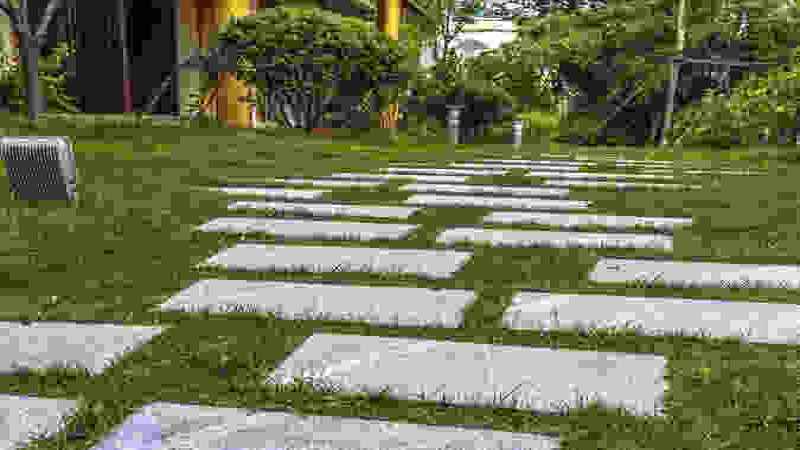
A driveway takes up a significant amount of visual space in front of a home, which means an aging or discolored surface can quickly affect curb appeal. Fortunately, homeowners do not always need to remove the entire driveway to achieve a more modern appearance. Driveway resurfacing can restore worn concrete while introducing new colors, textures, and patterns that better complement contemporary architecture.
In 2026, driveway design is increasingly focused on clean lines, subtle colors, natural textures, and finishes that balance appearance with everyday durability. The right resurfacing finish can transform an ordinary driveway into an intentional part of the home’s exterior design.
What Is Driveway Resurfacing?
Driveway resurfacing involves preparing an existing surface and applying a new coating or overlay over it. Instead of demolishing structurally sound concrete, contractors can repair minor imperfections and create a fresh surface on top.
This approach works best when the underlying driveway remains structurally stable. Major settlement, severe cracking, or extensive structural deterioration may require more substantial repairs or complete replacement rather than resurfacing.
Cost is another reason homeowners consider resurfacing. According to 2026 estimates from Angi, professional driveway resurfacing averages around $3,000, although projects can range from approximately $600 to $6,000 depending on driveway size, material, preparation requirements, and finish.
1. Smooth Concrete Overlay for a Minimalist Look
One of the best finishes for modern homes is a simple concrete overlay with a smooth or lightly textured appearance.
Minimalist homes often feature neutral colors, straight architectural lines, large windows, and simple landscaping. A gray, charcoal, beige, or warm concrete finish can complement these elements without making the driveway visually overwhelming.
A smooth overlay can also cover discoloration, surface wear, and previous repairs, helping create a more consistent appearance.
However, completely smooth surfaces may become slippery when wet. For driveways, contractors can incorporate subtle texture to improve traction while maintaining the modern appearance.
2. Stamped Concrete Overlay
Homeowners who want more visual detail should consider stamped driveway resurfacing.
Stamped overlays can recreate the appearance of premium materials such as:
- Slate
- Natural stone
- Brick
- Cobblestone
- Wood planks
Modern stamped driveways often use larger and simpler patterns instead of highly detailed traditional designs. Ashlar slate and seamless stone textures, for example, can add character while still maintaining a clean appearance.
Professional stamped overlays typically cost around $6 to $14 per square foot depending on pattern complexity, color choices, surface preparation, and location.
They are especially useful for homeowners who want the appearance of stone or pavers without completely removing an existing concrete slab.
3. Broom-Finished Resurfacing
A broom finish remains one of the most practical driveway choices in 2026.
After the resurfacing material is applied, a broom is moved across the surface to create fine lines. These lines produce texture and improve traction while keeping the overall design relatively simple.
Broom finishes work particularly well with modern, transitional, and contemporary homes because they do not compete with other exterior features.
They can also be combined with decorative borders or contrasting sections near sidewalks, garage entrances, or driveway edges.
4. Spray-Texture Finish
Spray-texture resurfacing provides a slightly more noticeable texture than traditional smooth concrete.
Spray-down systems are commonly applied at approximately 1/8 inch and can produce textured surfaces suitable for driveways, sidewalks, patios, and similar exterior areas. Their texture can also help create greater slip resistance.
For modern homes, homeowners can choose subtle neutral colors rather than highly contrasting combinations.
This creates visual interest when viewed up close while allowing the driveway to maintain a clean appearance from the street.
5. Colored Concrete Resurfacing
Color has become an important part of modern driveway design.
Instead of automatically choosing standard light-gray concrete, homeowners can coordinate the driveway with exterior paint, roofing, stonework, garage doors, and landscaping.
Popular modern choices include charcoal gray, warm gray, sand, taupe, muted brown, and off-white.
Darker borders can also frame a lighter driveway surface, creating clean geometric lines that work especially well with contemporary architecture.
The goal is usually coordination rather than creating an exact color match with the house.
6. Stenciled and Geometric Finishes
Geometric designs are another excellent option for modern homes.
During driveway resurfacing, contractors can use stencils, scoring, or decorative techniques to create patterns resembling large-format concrete panels, tile, stone, or pavers.
Simple rectangular or linear patterns can make a standard driveway appear more architectural without introducing excessive decoration.
This technique works especially well for homes featuring modern landscaping, metal accents, horizontal siding, or large-format exterior materials.
How Long Can Driveway Resurfacing Last?
Longevity depends heavily on surface preparation, installation quality, traffic, climate, drainage, and maintenance.
Professionally installed high-quality concrete resurfacing systems may last 10 years or longer when applied over suitable existing concrete.
Regular cleaning and periodic sealing can help protect decorative surfaces from stains, moisture, UV exposure, and everyday vehicle traffic.
Homeowners should also address cracks or drainage problems early rather than waiting for minor damage to spread.
Choosing the Best Driveway Resurfacing Finish
There is no single finish that works for every property. The best option should complement the home’s architecture while also meeting practical requirements.
For a minimalist property, a smooth or broom-finished neutral overlay may be ideal. Homeowners seeking a premium appearance may prefer stamped concrete, while spray textures provide a practical combination of visual interest and traction. Colored and geometric finishes offer additional ways to personalize contemporary properties.
Before beginning a driveway resurfacing project, have the existing driveway inspected. Resurfacing works best when the underlying slab remains structurally sound.
With the right preparation, finish, and professional installation, an older driveway can become a modern design feature that improves curb appeal without requiring a complete demolition and replacement.