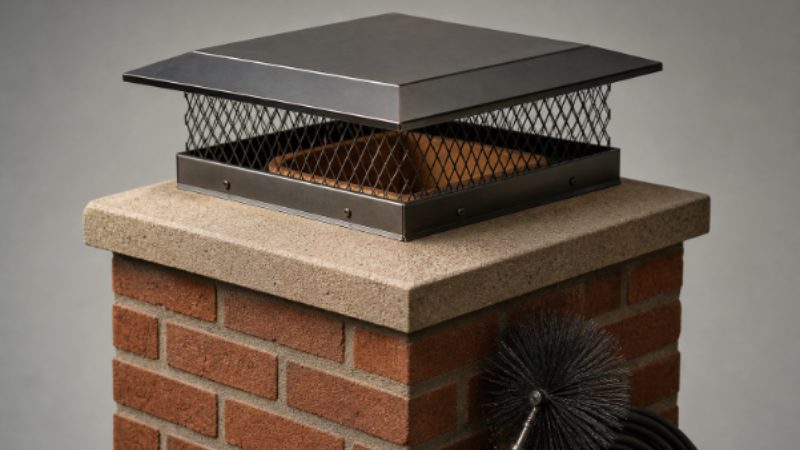
- Inspect and maintain chimneys regularly to reduce buildup, blockages, leaks, and fire risks.
- Use dry, seasoned firewood and avoid burning trash, plastic, painted, or treated materials.
- Keep dampers, flues, and chimney openings clear to support proper airflow and draft.
- Watch for smoke indoors, unusual odors, loose masonry, water stains, or animal activity.
- Test smoke and carbon monoxide alarms regularly and keep combustibles away from the fireplace.
- Schedule professional inspections after chimney fires, major renovations, suspected damage, or changes in fireplace use.
- Keep records of inspections, cleanings, repairs, and maintenance throughout the year.
A chimney is more than a decorative feature above the fireplace. It is a working part of the home’s safety and ventilation system, designed to carry combustion gases, smoke, and heat outside. Soot, ash, creosote, leaves, and animal nests can all interfere with that job over time. Homeowners who want help addressing buildup before the heating season can Check this page for chimney cleaning information. Regular maintenance helps reduce the chances of smoky rooms, inefficient fires, water-related masonry damage, and costly surprise repairs. It also makes it easier to spot problems while they are still limited to a loose brick, a damaged cap, or a developing draft issue, rather than a larger safety concern.
Why Chimney Maintenance Matters
Every wood-burning fireplace produces residues. Fine soot can narrow airflow, while creosote can collect along the flue walls and become a fire hazard. Outdoor debris and nesting animals can create blockages, too. Annual professional inspections are a practical starting point for many wood-burning systems because they help identify buildup, damage, and ventilation concerns before regular fireplace use begins.
How A Chimney Supports Safe Airflow
A chimney relies on draft, the upward movement created as hot combustion gases rise through the flue. For that process to work, the damper must be open, the flue must be clear, and the system must have adequate airflow. If smoke spills into the room, the cause may be cold air in the flue, a closed damper, a blockage, a cracked liner, or a chimney design issue. Surface soot is not always the whole story.
Warning Signs That Need Attention
Pay attention to changes in how the fireplace looks, smells, or performs. Common warning signs include:
- A persistent smoke odor when the fireplace is not in use.
- Smoke entering the living space after a fire is lit.
- Dark, shiny, sticky deposits in the firebox.
- Unusual scratching, chirping, rattling, or flapping sounds near the flue.
- Loose bricks, crumbling mortar, rust, water stains, or peeling finishes near the fireplace.
- Slow-burning fires that create more smoke than expected.
- Visible leaves, nests, birds, squirrels, or debris around the chimney opening.
How Weather Affects Chimney Performance
Rain, humidity, freezing temperatures, and wind all affect chimneys. Moisture can enter through damaged caps, crowns, flashing, or masonry joints. Once water reaches porous brick or mortar, repeated freezing and thawing can worsen cracks. Strong winds may also disrupt the draft and push smoke toward the home. For example, a musty odor after a long, wet summer may point to moisture or debris in the system. Schedule a check before the first cold snap rather than waiting for the busiest part of heating season.
Safer Fireplace Habits
Good daily habits support cleaner fires and reduce avoidable risks. Keep these basics in mind:
- Burn dry, seasoned firewood that is appropriate for the appliance.
- Never burn trash, plastic, painted wood, or treated lumber.
- Open the damper fully before lighting a fire.
- Keep furniture, curtains, rugs, and decorations well away from the hearth.
- Use a sturdy fireplace screen for open fires.
- Never leave a fire unattended.
- Place fully cooled ashes in a covered metal container outside.
- Test smoke and carbon monoxide alarms regularly.
Reviewing practical fireplace safety tips can also reinforce the importance of working alarms, clear space around heat sources, and professional attention for fuel-burning equipment.
When To Schedule Inspection And Cleaning
Annual service is useful for many homeowners, but the best schedule depends on how often the fireplace is used, what fuel it burns, the appliance design, and the chimney’s condition. Earlier attention is wise after a suspected chimney fire, a home purchase, a major renovation, a change in heating use, smoke entering the home, or visible water damage. The EPA’s wood-burning maintenance guidance notes that professional yearly inspections can identify cracks and other issues that affect safe operation. A thorough visit may include checking the firebox, damper, flue, liner, chimney cap, crown, visible masonry, and evidence of creosote, leaks, or obstructions. Cleaning should be based on actual buildup and inspection findings, not simply the calendar.
What Homeowners Can Check And What They Should Not
Homeowners can safely look for staining near the fireplace, inspect visible masonry from ground level, test alarms, remove combustible items from the hearth, and confirm that a cold damper moves correctly. However, roof access, flue cleaning, liner evaluation, and hidden structural checks require proper tools and training. Never climb on a roof during rain, high winds, or icy conditions. Chimney-cleaning logs and chemical products do not replace a complete inspection when heavy buildup or damage is present. Ask for written findings and photos when significant repairs are recommended.
A Simple 2026 Chimney Care Checklist
- Confirm the date and findings of the last inspection.
- Test smoke and carbon monoxide alarms.
- Look for water stains, rust, or odors near the fireplace.
- Inspect visible masonry and the chimney exterior from ground level.
- Clear stored items, decorations, and furniture away from the hearth.
- Use only fuel suited to the fireplace or stove.
- Schedule service before regular seasonal use.
- Keep records of inspections, repairs, and cleanings.
Common Questions About Chimney Care
Does A Rarely Used Fireplace Still Need Inspection?
Yes. Limited use does not prevent moisture damage, animal entry, nesting, blockages, or deterioration caused by age and weather.
Can A Clean Firebox Mean The Chimney Is Clean?
No. The firebox is the only visible area. Deposits or damage can exist higher in the flue, near the liner, or at the chimney top.
Are Gas Fireplaces Maintenance-Free?
No. Gas systems do not create wood-smoke creosote, but their vents, burners, connections, ignition components, and safety controls still need periodic attention.
What Should Happen After A Chimney Fire?
Do not use the fireplace again until the full system has been evaluated. Heat can damage liners, masonry, nearby framing, and other components even when the fire seems contained.
What Is The Best Time Of Year For Maintenance?
Spring and summer often provide more scheduling flexibility. Late fall can be much busier, especially when homeowners begin preparing for colder weather.
Final Takeaway
Safe fireplace use starts with suitable fuel, clear airflow, working alarms, and consistent maintenance. A few routine checks in 2026 can help catch small concerns before they turn into smoke-filled rooms, damaged masonry, or serious fire hazards. Homeowners should also watch for creosote buildup, chimney blockages, cracks, leaks, and signs of poor ventilation before using the chimney regularly. Keeping the fireplace and chimney clean, allowing proper airflow, and scheduling professional inspections when needed can support safer, more efficient operation throughout the heating season.