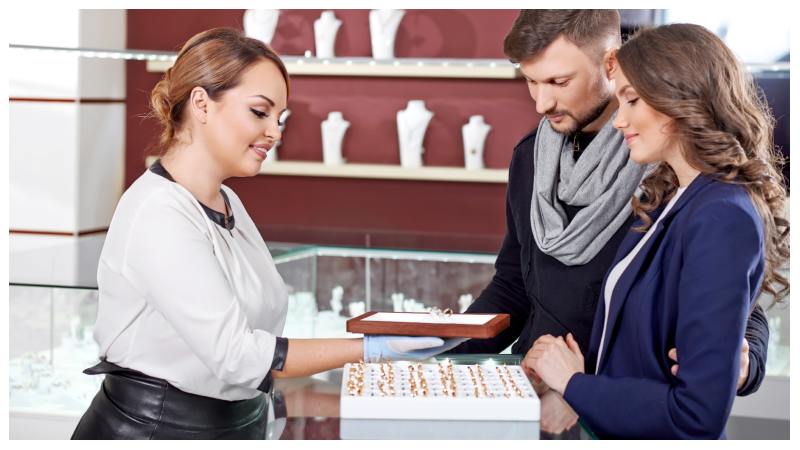
Scottsdale has long carried a reputation for wealth, but the city’s luxury resale scene has grown into something more substantial than a side effect of affluence. Estate collections are moving. Inherited jewelry is being appraised. Collectors are quietly liquidating watches they bought a decade ago at a fraction of today’s prices. The secondary market for high-value goods here is active, layered, and driven by a population that understands what things are worth.
Why Scottsdale Is a Distinct Market
Scottsdale saw its millionaire population grow more dramatically over the last decade than any other place in the U.S., with a 125% increase between 2014 and 2024. That density of high-net-worth residents does something specific to a local resale market: it raises the floor. Buyers here are informed, sellers tend to hold quality pieces, and competition among dealers keeps offers sharper than in most comparable cities.
The city also draws a steady stream of retirees relocating from the coasts, often arriving with decades of accumulated jewelry, watches, and collectibles. Many of those items eventually find their way into the secondary market, whether through estate sales, direct dealer transactions, or private auctions. The result is a consistent supply of genuinely valuable goods moving through a market that knows how to handle them.
Gold: A Metal That Has Rewritten the Rules
Gold is the backbone of the luxury resale market in any city, and recent years have made it more consequential than ever. Gold prices surged 66% in 2025, the best annual gain since 1979. For anyone holding gold jewelry, bullion, or even broken pieces stored in a drawer, that run has had a direct effect on material value.
What Sellers Are Bringing In
The range of gold items moving through Scottsdale’s resale market is broader than most people expect. Dealers here regularly evaluate 10K, 14K, 18K, and 22K pieces in every condition, from pristine estate necklaces to tangled chains and mismatched earrings. Karat purity and weight determine the metal value, and with gold trading at historically elevated levels, even modest collections carry real worth.
How Dealers Price Gold
Reputable dealers price gold against live spot prices, not weekly averages or arbitrary in-house benchmarks. A seller who understands this has a significant advantage. Ask how a dealer calculates their offer, what percentage of spot they pay, and whether they weigh items in front of you. Transparent dealers welcome those questions.
Broken and Inherited Pieces
A common misconception is that damaged or outdated gold jewelry has no real market. In practice, broken clasps, bent settings, and out-of-style pieces all retain their metal value in full. Many Scottsdale sellers bring in inherited collections without knowing what they have. A thorough evaluation often reveals more than expected.
Diamonds: Where Certification and Condition Drive Everything
Diamonds behave differently than gold in the resale market. Gold has a commodity price that updates by the minute. Diamond pricing is more nuanced, shaped by the four Cs, certification status, shape demand, and current buyer preferences. Two stones can look nearly identical and fetch very different offers.
GIA Certification and Its Effect on Offers
A GIA-certified diamond commands meaningfully better offers than an uncertified stone of similar appearance. Certification removes ambiguity. Dealers can price against a documented grade rather than making their own assessment of a stone they cannot independently verify. Sellers with certified diamonds are in a stronger position from the moment they walk in.
Shape Trends in the Secondary Market
Round brilliant diamonds hold the broadest resale demand, which translates to stronger offers. Fancy shapes, including emerald cuts, cushions, and ovals, have their own buyer pools, but those pools are smaller. Sellers with fancy-shape stones should shop multiple dealers, since appetite for those cuts varies considerably from one shop to the next.
Estate and Heirloom Pieces
Scottsdale’s estate market regularly surfaces pieces from the mid-20th century, a period when diamonds were often set in platinum with craftsmanship that holds up well. Vintage settings with documented provenance can attract collectors willing to pay beyond the stone’s raw value, particularly for signed pieces from recognized houses.
Luxury Watches: A Secondary Market With Its Own Logic
Pre-owned watches have evolved from a niche collector pursuit into a mainstream investment category. The global pre-owned luxury watch market was valued at USD 28.77 billion in 2024 and is expected to reach USD 69.22 billion by 2032, growing at a CAGR of 11.60%. That trajectory reflects something real: watches from certain brands and references hold value in ways that most consumer goods simply do not.
Brands That Move in Scottsdale
Rolex remains the most liquid brand in the secondary market, with consistent buyer demand across references. Patek Philippe and Audemars Piguet draw serious collector interest, particularly for limited references. Omega, Breitling, and Cartier all have active buyer pools as well, though offers vary more widely by reference and condition.
What Affects a Watch’s Offer
Condition, completeness, and documentation all matter. A watch with its original box, papers, and service history will draw a better offer than the same reference without them. Dial originality is another factor that separates dealers who specialize in watches from general jewelers. A refinished or replaced dial can significantly reduce a timepiece’s collector value, even if it looks pristine to the untrained eye.
Selling Versus Consigning
Sellers in Scottsdale generally have two routes: an outright sale for immediate payment, or consignment through a dealer with access to a broader buyer network. Outright sales are faster and certain. Consignment takes longer but can yield more for highly desirable references with a specific collector audience. The right choice depends on the piece and how quickly the seller needs to move.
Rare Coins: The Category Most Sellers Overlook
Rare coins occupy a corner of the luxury resale market that many people underestimate, often because they inherited a collection and have no frame of reference for what it might contain. The numismatic market is larger and more structured than most casual observers realize, supported by grading services, established auction houses, reputable coin dealers such as Scottsdale Coin, and a global buyer network that can surface demand for specific coins quickly.
Key factors that shape a coin’s value include:
- Mintage figures: Coins with low original production numbers carry inherent scarcity that drives collector premiums.
- Grade and condition: Professional grading from services like PCGS or NGC provides a standardized assessment that buyers trust and dealers price against.
- Historical significance: Coins tied to specific eras, mint errors, or notable historical events attract a dedicated collector segment willing to pay well above melt value.
- Metal content: For bullion coins, gold and silver spot prices set a floor, and current metal prices make that floor higher than it has been in years.
Scottsdale’s affluent retiree population means inherited coin collections surface here with some regularity. A collection assembled over 40 years might contain a handful of genuinely significant pieces alongside common issues. The only way to know is a proper evaluation by someone who understands numismatic value, not just metal weight.
Getting the Most from a Scottsdale Resale Transaction
A few practical considerations apply regardless of what someone is selling.
Get multiple offers. Scottsdale has enough established dealers that comparison shopping is straightforward. Offers can vary more than sellers expect, especially for diamonds and watches where dealer appetite and inventory needs shift the calculus considerably.
Understand what drives the offer. For gold, it’s spot price and karat. For diamonds, it’s certification, the four Cs, and shape. For watches, it’s brand, reference, condition, and completeness. For coins, it’s grade, rarity, and current collector demand. Knowing which factors apply to a specific item helps a seller evaluate whether an offer is competitive.
Timing matters for some categories. Gold and silver prices move daily, and selling when prices are elevated, as they have been through much of 2025, captures more value than selling into a dip. Watch and coin markets move more slowly, but major auction results and economic conditions still influence what dealers are willing to pay.
Where the Market Is Headed
The luxury resale market in Scottsdale reflects broader national trends while benefiting from local conditions that few other cities can match. Sustained gold prices, a maturing secondary watch market, and growing mainstream acceptance of resale as a legitimate financial strategy are all pulling in the same direction.
Sellers who approach the process with realistic expectations and basic market knowledge consistently do better than those who walk in without any preparation. The market rewards informed sellers. And in Scottsdale, there are enough serious buyers to make that effort worthwhile.