Key Takeaways
- Regular drain maintenance helps prevent clogs and extends the lifespan of plumbing systems.
- Simple habits, such as responsible waste disposal and periodic inspections, can prevent major plumbing emergencies before they start.
- Professional maintenance ensures hidden problems are caught and resolved early, protecting your home from severe damage.
Every homeowner dreads the possibility of plumbing issues that can disrupt daily life and result in costly repairs. Thankfully, routine drain maintenance can go a long way toward safeguarding your home from unexpected mishaps. By making simple changes and using practical solutions such as hydro jetting services, you can prevent problems before they escalate into emergencies. Whether you want to save money or protect the value of your property, understanding why regular care matters will help you avoid headaches down the road.
Proactive drain care can keep water flowing smoothly throughout your home, minimize clogs, and extend the life of your plumbing system. Many plumbing disasters stem from overlooked maintenance, but with a few key habits and timely professional help, you can keep your pipes in top shape year-round. Simple practices, such as proper waste disposal and periodic cleaning, make a tremendous difference.
Understanding the Importance of Drain Maintenance
Overlooking drain maintenance may seem minor, but it can have significant consequences. Common issues like blockages, leaks, or even pipe bursts typically result from gradual buildup or unnoticed wear and tear. These problems disrupt daily routines and can lead to expensive repairs or even water damage to your property. By giving your drains the attention they need regularly, you can spot issues early and address them before they become larger, more complex problems.
Drain maintenance is more than just cleaning; it involves vigilant monitoring, responsible habits, and knowing when to call in professionals for inspection and repair. Homeowners who prioritize these steps not only save money but also enjoy ongoing peace of mind.
Common Causes of Drain Blockages
Most household drain blockages stem from a small set of preventable causes. By understanding and avoiding these, you can maintain a healthy plumbing system.
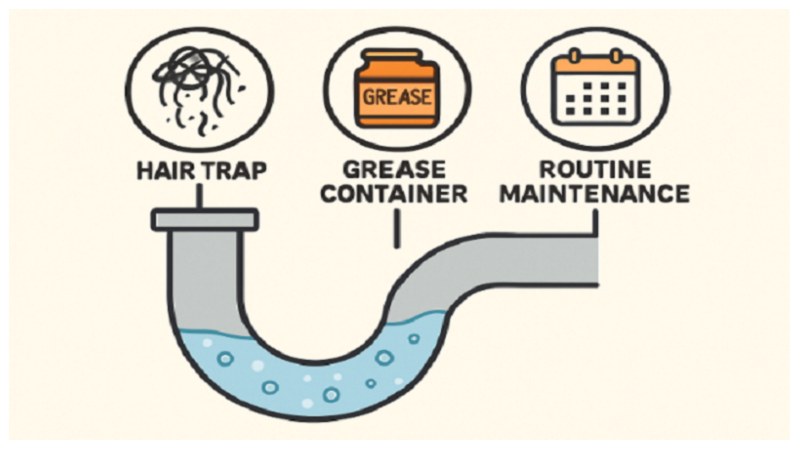
- Grease and Oil Buildup: Pouring fats, oils, and grease down the drain can result in sticky blockages as they cool and solidify in your pipes. Always collect grease in a container and toss it in the trash to avoid this issue.
- Hair Accumulation: Bathroom drains are especially prone to clogging from hair. When not trapped by a screen, hair can accumulate and combine with soap, slowing water flow or causing outright blockage.
- Foreign Objects: Items like wipes, cotton balls, sanitary products, or even children’s toys can accidentally end up in drains, get lodged, and cause major obstructions.
Effective Drain Maintenance Practices
There are multiple strategies you can implement today to lower your risk of plumbing emergencies. Emphasizing simple, repeatable practices pays off in the long run.
1. Proper Waste Disposal
Never pour grease, coffee grounds, or food scraps into the sink. Instead, use a filter to catch debris and empty it regularly into the trash. This habit significantly reduces your risk of kitchen drain clogs. Experts from The Washington Post recommend always disposing of grease in the trash to safeguard your pipes.
2. Regular Cleaning
Perform monthly drain cleaning using natural solutions, such as a combination of baking soda, vinegar, and hot water. Not only is this method environmentally friendly, but it is also effective at breaking down built-up debris inside pipes.
3. Use of Drain Screens
Install mesh screens in sinks, showers, and bathtubs to intercept hair and food particles before they reach your pipes. These inexpensive tools are easy to clean and make a sizable impact on drain longevity.
4. Avoid Chemical Drain Cleaners
While a chemical drain cleaner might offer a rapid fix, its harsh ingredients can erode your pipes over time, weakening them and setting the stage for leaks. Instead, turn to enzyme-based cleaners or simple mechanical options, such as plungers and drain snakes, to clear minor clogs.
Professional Inspections and Maintenance
No matter how diligent you are with day-to-day habits, professional expertise remains essential. Licensed plumbers have the tools to spot warning signs that may go unnoticed and can resolve small issues before they cause widespread damage. Scheduling yearly inspections ensures that any underlying problems, such as corrosion or hidden leaks, are addressed proactively, keeping your system robust for years to come.
Recognizing Early Warning Signs
Staying alert to changes in your plumbing can prevent minor inconveniences from escalating into crises. These early warning signs indicate it’s time to investigate or call a professional:
- Slow Drainage: A slowly draining sink or tub often indicates a developing clog.
- Unpleasant Odors: Persistent smells coming from your drains usually mean organic matter is trapped and decomposing inside your pipes.
- Gurgling Sounds: Odd noises from your pipes could signal air buildup caused by a blockage somewhere in the line.
Final Thoughts
Routine drain maintenance saves time, money, and stress. By committing to good habits like proper disposal, regular cleaning, the use of drain screens, and timely professional inspections, you can keep your plumbing system running smoothly. Vigilance and a bit of preventive care help you avoid the costly surprises and disruptions caused by neglected drains. When in doubt or facing persistent issues, consult a trusted local plumber for professional assessment and maintenance. Protect your home for the future with consistent, practical drain care.